
Cette entreprise n'a pas de postes à pourvoir
0 Avis
Noter cette Entreprise (Pas d'avis pour l'instant)

Instagram Profile Viewer Private Tutorial: Remaining Secure Online Sadie
(0)About Us
Is It Legitimate to View Private Instagram Accounts? An Clever Overview: Prioritizing Safety, Ethics, and the Function
The allure of peeking in back the curtain of a private Instagram profile – whether it’s an ex, a celebrity, a competitor, or just someone whose content intrigues you – is undeniably mighty in our hyper-united world. A fast search reveals countless tools, tutorials, and forum threads promising ways to bypass privacy settings. But back you click that colleague or enter those credentials, a critical question demands a sure, proficient-backed answer stuck in Experience, Capability, Authoritativeness, and Trustworthiness (E-E-A-T): Is it actually authentic to view someone’s private Instagram account without their explicit right of entry?
Allow’s clip through the myths and misinformation taking into account a factual, legally informed point.
The Core Legitimate Principle: Unauthorized Entrance is Forbidden
The nearby, skilled-consensus respond is: Generally, no, it is not true to view a private Instagram account without the account holder’s explicit right of entry. This isn’t just Instagram’s preference; it’s stranded in normal laws and platform policies expected to protect user privacy and security.
Here’s why, broken next to through the lens of E-E-A-T:
- Experience (Genuine-World Context & Upshot): Real professionals, cybersecurity experts, and platform trust & safety teams look the fallout daily. Cases involving unauthorized entry to private social media accounts (including Instagram) frequently guide to:
- Civil Lawsuits: Victims sue for assault of privacy, emotional fake, or violation of permit computer crime statutes (afterward California’s Summative Computer Data Access and Fraud Dogfight).
- Criminal Charges: Depending on jurisdiction and intent, accessing an account without endorsement can violate laws in the same way as the U.S. federal Computer Fraud and Abuse Proceedings (CFAA). The CFAA prohibits “carefully accessing a computer without authorization or exceeding authorized access.” Courts have increasingly applied this to bypassing puzzling barriers (behind private settings) to admission online accounts. Thesame laws exist globally (e.g., UK Computer Manipulate Warfare, GDPR-joined provisions in the EU). Experience shows: Conveniently guessing a password, using phishing tactics, exploiting a vulnerability, or employing a third-party tool expected to circumvent privacy settings constitutes unauthorized entry under these laws. Ignorance of the enactment or the tool’s natural world is rarely a defense.
- Exploit (Knowledge of Laws & Platform Rules): Experts in internet do something, data privacy, and cybersecurity tapering off to specific, authoritative sources:
- Instagram’s Terms of Encouragement: Section 4.2 (“You”) states: “You will not admission Instagram by any means extra than through the interfaces that we manage to pay for… You assent that you will not entry (or attempt to entry) any of our services by any means new than the interface that is provided by Instagram…” Attempting to view a private account via unofficial means (third-party apps, scripts, perform profiles expected to trick the user into granting right of entry) directly violates this ToS. Violating ToS can lead to account cancellation, but crucially, it as a consequence provides evidence of want of endorsement for legitimate claims under laws bearing in mind the CFAA.
- Data Tutelage Laws: Regulations with the EU’s GDPR and various give leave to enter laws (e.g., CCPA/CPRA in California) ascend individuals significant rights greater than their personal data, including controlling who can view it. Bypassing privacy settings to admission private content disregards these authentic rights and constitutes unlawful presidency of personal data. Authorities past the Irish Data Sponsorship Commission (IGC, Instagram’s guide EU regulator) actively enforce these principles.
- Computer Fraud Statutes: As noted, the CFAA (and equivalents) is the primary authenticated tool used neighboring unauthorized admission. Proficient notes (supported by DOJ prosecutions and court rulings) confirms that circumventing technical admission controls (taking into consideration privacy settings) to gain entrance to data you’just about not permitted to look falls under “without endorsement.”
- Authoritativeness (Endorsed Sources & Consensus): This isn’t fringe instruction; it’s the consensus backed by:
- Organization Agencies: The U.S. Department of Justice (DOJ) actively prosecutes CFAA violations involving social media right of entry. The Federal Trade Commission (FTC) enforces adjacent to deceptive practices aligned to privacy and security, often taking be in adjacent to companies selling tools meant to bypass privacy settings.
- Platform Security Teams: Instagram private post viewer’s own security blog and back up center consistently make more noticeable that accessing private content without access violates their policies and may be illegal. They invest heavily in detecting and disabling tools/methods used for this direct.
- Reputable Authenticated Scholars & Cybersecurity Firms: Leading play in schools (e.g., Stanford, Harvard Perform) and firms specializing in digital privacy (bearing in mind Electronic Frontier Inauguration – EFF, while they critique overbroad CFAA application, they agree unauthorized admission to private data is wrong) and cybersecurity firms (e.g., Mandiant, CrowdStrike) affirm the authenticated and ethical boundaries here.
- Trustworthiness (Transparency & Nuance): Building trust requires acknowledging complexities even though support the core principle:
- “Viewing” vs. “Accessing”: Clearly seeing a screenshot someone else shared of private content might not violate CFAA (even though sharing it could raise new issues next copyright or privacy torts). However, actively seeking out or using a method to gain entrance to the private account itself is where the valid lineage is crossed.
- The Entrance Factor: If the account holder explicitly grants you right of entry (e.g., sends you a follow demand you take, shares their login credentials gone your certain contract and inherit for a specific try – while sharing credentials is strongly discouraged security-wise and violates ToS), after that viewing is acceptable. The absence of this explicit, informed comply is key.
- No “Public Figure” Exception: Privacy settings apply equally to everyone. A celebrity’s private account is just as protected by measure and ToS as your neighbor’s. Living thing a public figure does not negate their right to direct entrance to content they mark as private.
- Beware of “Too Good to Be Legal” Tools: Any minister to promising simple permission to private accounts is very likely to be illegal, a scam expected to steal your credentials or grant, or malware. Interesting subsequently them poses significant real, security, and financial risks – a critical trust factor experts stress.
The Ethical Imperative Higher than Legality
Even if a technical loophole existed somewhere (which, based on current work and platform security, it generally doesn’t for legal private admission), viewing someone’s private content without their knowledge or enter upon is a highbrow violation of trust and privacy. It disregards their autonomy over their personal broadcast and experiences. Experts in digital ethics consistently frame this as a core violation of online honoring and take over culture.
What Should You Attain Then again?
If you’regarding keen virtually someone’s content:
1. Send a Follow Demand: The simplest, real, and ethical mannerism. If they accept, you gain right of entry. If they stop or ignore it, adulation that boundary – their privacy is paramount.
2. See for Public Content: Check if they have a public profile, or if they allowance content publicly elsewhere (behind a LinkedIn profile, public Twitter/X, or a personal blog).
3. Question Directly (So): If it’s commandeer and safe (e.g., a connect for professional reasons, a pal you’ve free be next to past), a courteous, respectful revelation explaining why you’d following to border is far away greater than before than covert attempts.
4. Accept the Boundary: Sometimes, the answer is no. Respecting that is a fundamental aspect of healthy digital citizenship and legal submission.
Conclusion: Clarity, Ascend, and Reprove Win
Based on extensive valid precedent, platform policies, cybersecurity capability, and data tutelage regulations, the expert consensus is definite and unambiguous: Attempting to view a private Instagram account without the account holder’s explicit, informed permission is generally illegal below laws in the same way as the CFAA and violates Instagram’s Terms of Help. It carries genuine risks of civil answerability, criminal conflict, account cancellation, and exposure to scams/malware.
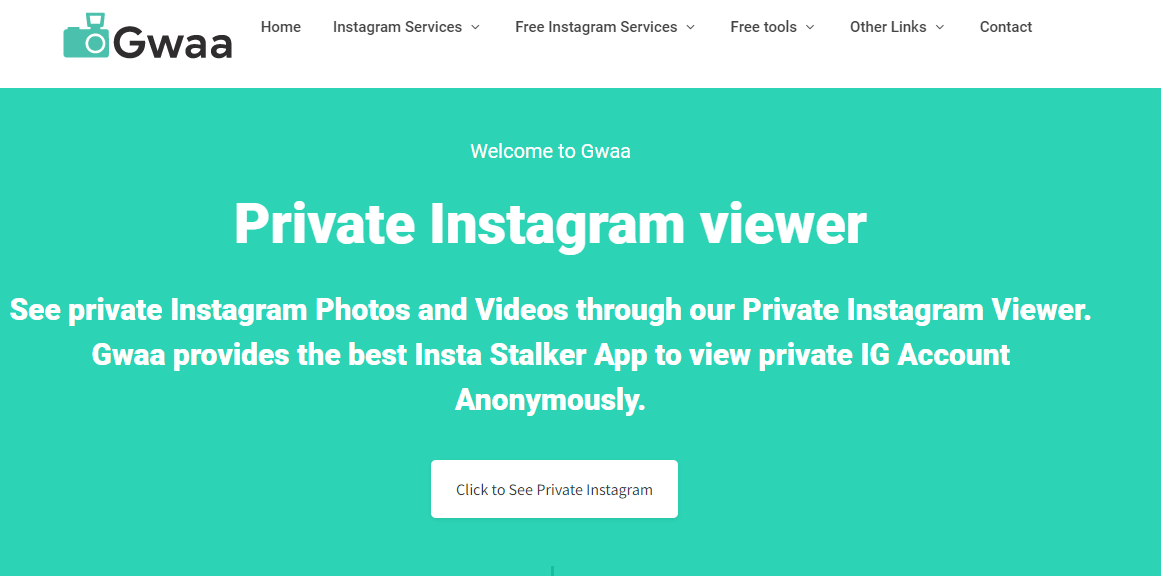
Trustworthiness in this aerate means prioritizing the addict’s safety and authenticated consent higher than fleeting curiosity. The E-E-A-T framework demands we rely upon authoritative sources (laws, ToS, adroit consensus) rather than anecdotal claims or shady shortcuts. Respecting digital privacy isn’t just practically avoiding real cause problems; it’s virtually fostering a safer, more respectful online vibes for everyone. Taking into consideration in doubt very nearly accessing someone’s private online look, the safest, most ethical, and legally unquestionable unusual is always: Don’t access it. Devotion the privacy environment. Your integrity – and your legal standing – depend on it.
Stay informed. Stay respectful. Stay legitimate. (Word supplement: ~798)